
Period Pain and Discomfort
2 min read
This means having difficult monthly flow. And also known as dysmenorrhoea.
Around 80% of women experience period pain and discomfort. This can start from early teens right up to when you experience menopause. 5% to 10% of women experience severe pain that can disrupt their life. While most women experience period discomfort on their first day. About 40% of women, period pain can be accompanied by PMS (premenstrual symptoms), such as tender breast, bloating mood swings, lack of concentration, swollen stomach and tiredness.
We have two types of period pain:
1. Primary Period Pain
This usually occurs in teenage girls and young adults. Period pains are caused when the uterus contracts to help shed its lining. Pain can also be as a result of decreased supply of blood to the uterus. Pain can mostly be in your lower abdomen that can be intense and can radiates into the lower back and front of the thighs. You can also feel nauseated. It is natural for many women to feel slight or mild discomfort during their period. Primary period pain (dysmenorrhoea) an be eased by over-the-counter medication, relaxation as well as natural remedies. (for natural remedies check out www.arinadelondon.com)
2. Secondary Period Pain
This usually occurs around age of 25 or later, and might be unlikely to ease after child birth. Period pain can occur throughout the cycle, you may experience heavier and longer flow, sexual intercourse may be painful. When you experience secondary period pain, this can be a sign of conditions such as pelvic infections, pelvic inflammatory disease. From uofmhealth.org During your period, bacterial can travel up the vagina into the uterus and fallopian tubes and cause an infection. This is more common during menstruation. If you start to experience period pain as an adult, you should visit your GP.
How do I ease discomfort during my period?
There are a number of ways you can ease discomfort either medically or naturally.
- Hot water bottle used around the stomach and back
- Hot bath with aromatherapy oils.
- Massage around the back and stomach.
- Wear loose and breathable clothing prior to and during your period.
- Use period product that are toxin free, breathable and natural.
- Yoga exercise helps your muscle relax and increase blood supply to your pelvic area.
- Pain relief medication.
- Stop or cut down smoking as this will help increase the supply of oxygen to your pelvic area.
- Reduce alcohol consumption.
- Consume high fibre foods, eat plenty of fruit and vegetables
- Drink plenty of water at least 2.5 litre daily.
- Take daily vitamin E supplement
- Cut down on sugary foods
- Reduce salt intake
- Eat lean meat and more chicken and fish.
More to read
Period care
EAT RIGHT DURING YOUR PERIOD
Over the years I have come to realise that the food I eat during my period makes a difference in how I feel, the intensity and length of my flow.
4 min read
Period care
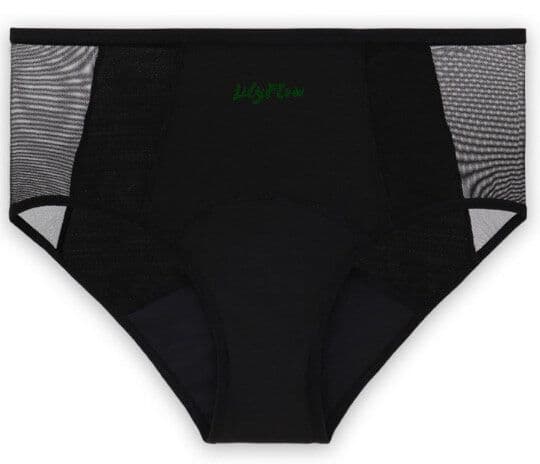
What you need to know about period panties!
One of lilyflow sanitary product is the period panties. Period panties are gradually becoming popular in the market, but a lot of people have not heard or know much about it.
2 min read